June 4, 2026
An inviting kitchen is the heart of the home, a place where culinary art meets design innovation. It's the space where family gatherings begin and where culinary inspiration grows alongside your satisfaction with its layout and design. According to a recent survey by Statista, over 40 percent of respondents were motivated to remodel their kitchen because they were no longer happy with its appearance. Yet, a kitchen design should not only focus on the aesthetic but also on functionality and efficiency. By maximizing the utility of every square inch, one can create a kitchen that is as effective in use as it is pleasing to the eye. This article delves into the essential elements and thoughtful considerations for transforming your kitchen into a stunning focal point that combines functionality with style.
1. Understanding Kitchen Layouts
1.1 The Triangle Rule: Efficiency in Motion
The triangle rule is a classic principle in kitchen design, outlining the optimal arrangement between the stove, refrigerator, and sink. By creating an efficient workflow, this design minimizes excessive movement, thereby reducing time and effort in meal preparation. Short distances between these key points allow for effortless access to cooking, cleaning, and storage tasks. Newer layouts have modernized the strict triangle, integrating additional elements like prep areas and islands. However, the core idea remains: strategic placement enhances efficiency and usability in daily kitchen experiences.
1.2 Open Versus Closed Layouts: Pros and Cons
Choosing between an open and closed kitchen layout is a pivotal decision in the design process. Open layouts create a seamless flow between the kitchen and living areas, promoting social interaction and a sense of spaciousness. However, they can lead to noise and odors permeating other parts of the home. Conversely, closed layouts offer greater privacy and containment but may feel isolating or cramped. Evaluating your lifestyle needs is crucial to deciding which layout enhances your home's functionality and aesthetics.
1.3 U-Shaped, L-Shaped, and Galley: Which is Right for You?
The U-shaped kitchen provides ample storage and counter space, making it ideal for larger families. L-shaped designs maximize floor space and are perfect for open-concept homes, allowing the kitchen to blend naturally with living areas. A galley kitchen, efficient and utilitarian, fits well in compact spaces where movement is constrained. Each layout presents unique advantages and limitations based on room size, shape, and household requirements. Identifying the one that aligns with your cooking habits and design preference is key to a kitchen that functions perfectly for you.
1.4 Maximization of Space in Smaller Kitchens
Working with a smaller kitchen necessitates creative solutions to maximize both space and functionality. Vertical storage maximizes existing square footage, while built-in appliances and hidden cabinets streamline the design. Glass cabinets and light-colored surfaces can make compact spaces feel larger than they are. Consider multipurpose furnishings—such as an island with built-in storage— to eliminate clutter and enhance efficiency. The objective is to ensure that every inch is utilized without compromising on aesthetics.
2. Selecting the Perfect Materials
2.1 Cabinets: From Solid Wood to Laminate
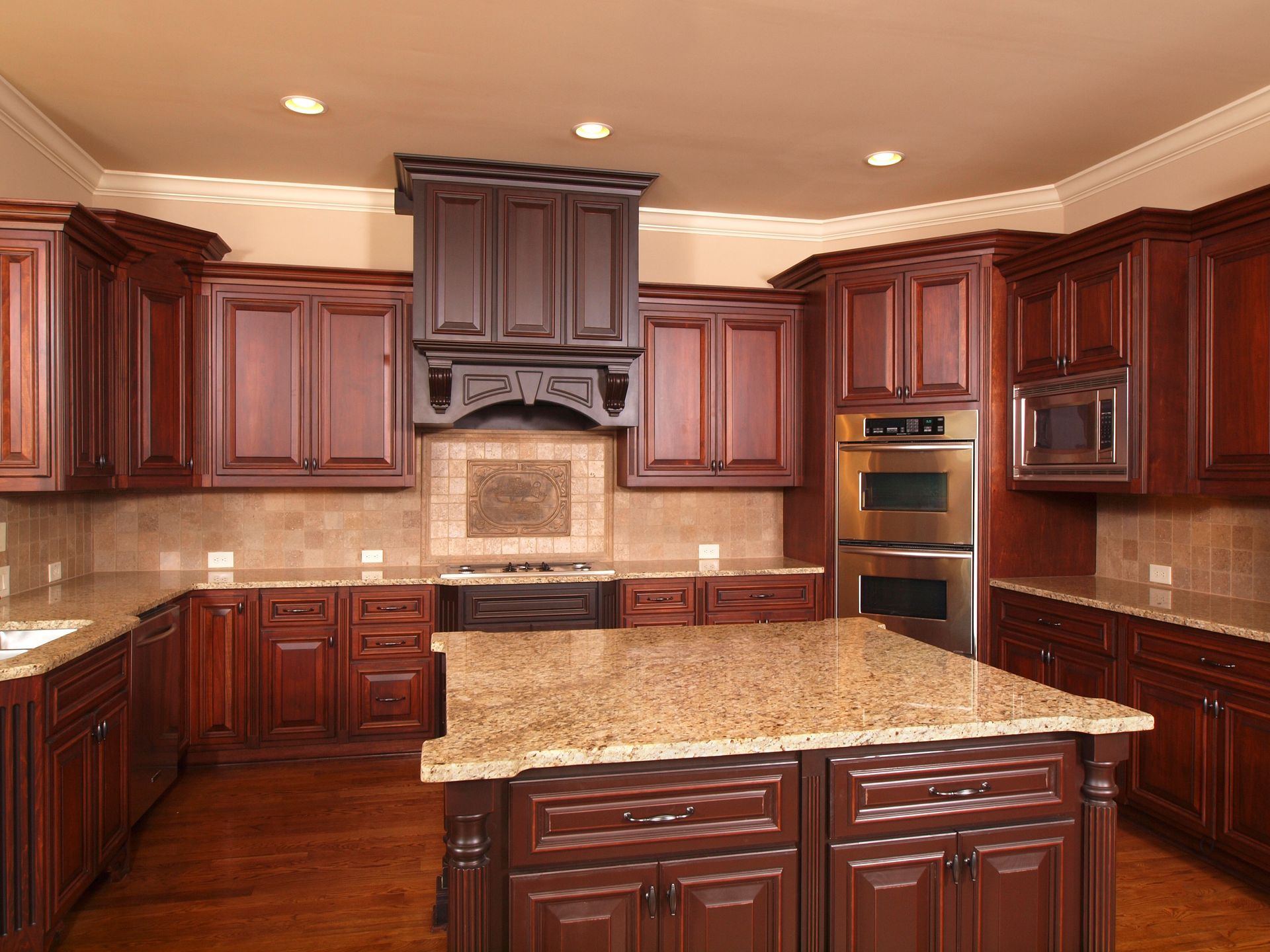
The choice of cabinet materials greatly influences kitchen design, both in aesthetics and durability. Solid wood cabinets offer timeless beauty and resilience but come at a higher cost. Laminate, on the other hand, provides an affordable alternative, available in an array of styles that mimic expensive materials. Today's laminates are durable and resistant to scratches, making them ideal for high-traffic kitchens. When selecting cabinet material, balance your budget and design aspirations for a practical yet visually pleasing outcome.
2.2 Countertops: Granite, Quartz, and Other Surfaces
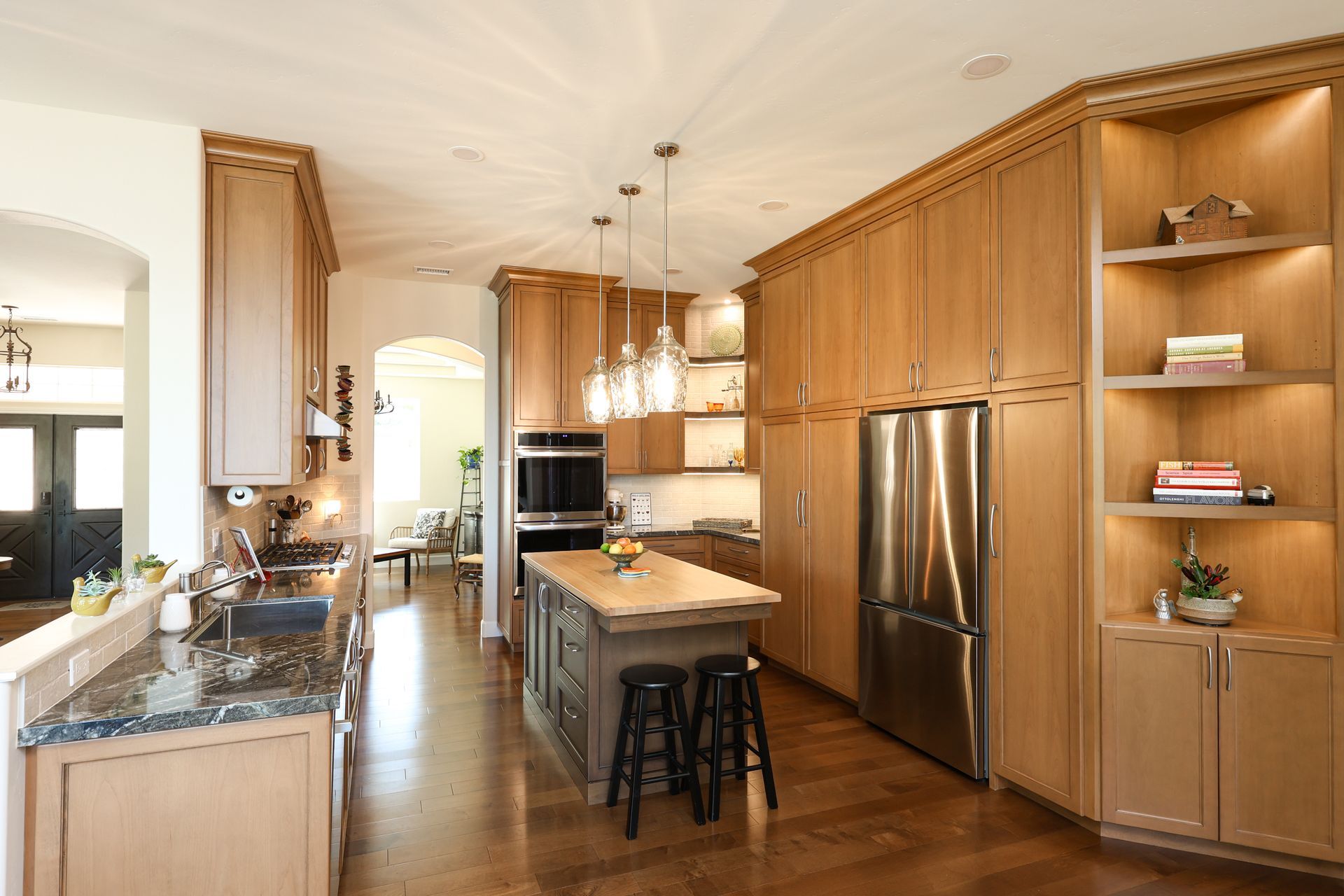
Countertops serve as the centerpiece of kitchen design, combining style with functionality. Granite and quartz are popular choices due to their durability and variety of colors and patterns. They provide a premium look while also being resistant to heat and scratches, essential for busy kitchens. Other materials, such as marble or butcher block, offer unique benefits and may better suit specific decor themes. Consider both functionality and maintenance requirements when selecting the ideal countertop surface for your kitchen.
2.3 Flooring: Durability and Aesthetic Choices
Durable flooring is essential in a kitchen, a place prone to spills, stains, and heavy foot traffic. Tiles, whether ceramic or porcelain, offer unmatched resilience and a wide range of aesthetic options. Hardwood floors provide warmth and elegance, though they may require additional care and protection. Vinyl and laminate present cost-effective solutions that mimic the look of wood or stone while offering easy maintenance. Choose flooring that aligns with both your lifestyle and the overall design ethos of your home.
2.4 Backsplashes: Personality and Protection
A backsplash not only protects walls from splashes and spills but also enhances the kitchen's visual appeal. Options range from classic subway tiles to intricate mosaics or mirrored surfaces that add depth and sophistication. Selecting a backsplash permits creativity, allowing you to introduce color, texture, and style. It's an opportunity to express personal taste within the kitchen design, whether through bold contrasts or harmonious blends. The right choice can transform your kitchen into a true reflection of your aesthetic values.
2.5 Hardware and Fixtures: Details That Shine
Kitchen hardware and fixtures are the finishing touches that can elevate the design from ordinary to extraordinary. Cabinet handles, faucets, and light fixtures, though small, contribute significantly to the kitchen's overall feel. Antique brass or modern stainless steel, for example, each offer distinct vibes—vintage charm versus sleek modernity. Choosing these elements thoughtfully ensures they complement other design aspects, enhancing both unity and contrast. Remember, well-chosen details can often become the eye-catching feature in a minimalist design.
3. Color Schemes and Themes
3.1 Neutral Palettes: Timeless and Versatile
Neutral color palettes form the backbone of timeless kitchen designs, providing an elegant backdrop for varying styles. Shades of white, beige, and gray adapt easily to both contemporary and classic settings. They offer a fresh, clean look that reflects light effortlessly, making spaces appear larger. Neutral palettes also provide versatility, enabling easy updates with seasonal decor or colored accents. The neutrality serves as a canvas that accepts changes over time, catering to fluctuating trends and tastes.
3.2 Bold Colors to Make a Statement
In contrast to neutral palettes, bold colors infuse energy and personality into a kitchen. Vibrant hues, like red, blue, or green, capture attention and create a focal point, turning the kitchen into a centerpiece. These colors are often applied in moderation, either through statement walls, vibrant cabinetry, or striking backsplashes. Bold colors require careful coordination to prevent overwhelming spaces. For homeowners seeking an expressive design, these hues offer opportunities to make a statement that reflects personal ethos.
3.3 Color Coordination with Your Home's Aesthetic
The kitchen design should correlate with the home's overall aesthetic for a cohesive visual experience. Coordinating colors and themes establish visual continuity across living spaces, preventing clashing styles. Drawing colors from nearby furnishings or architectural elements helps integrate the kitchen organically into the design. Transitions between rooms should feel deliberate and harmonious rather than abrupt. As a result, your home moves gracefully from one area to another, creating a unified living environment.
Transforming your kitchen requires thoughtful planning and creativity. The careful selection of layout, materials, colors, lighting, and technology contributes to an extraordinary kitchen design. It honors personal style, whether subtle or bold, through personalized touches that cater to unique preferences. By addressing these multifaceted elements, you craft a space that uplifts your kitchen and enhances your living experience. Embrace innovation and personalization by reaching out to Superior Kitchen & Bath, Inc today. We can help you design a kitchen that's truly your own—a seamless blend of beauty and function.