May 7, 2026
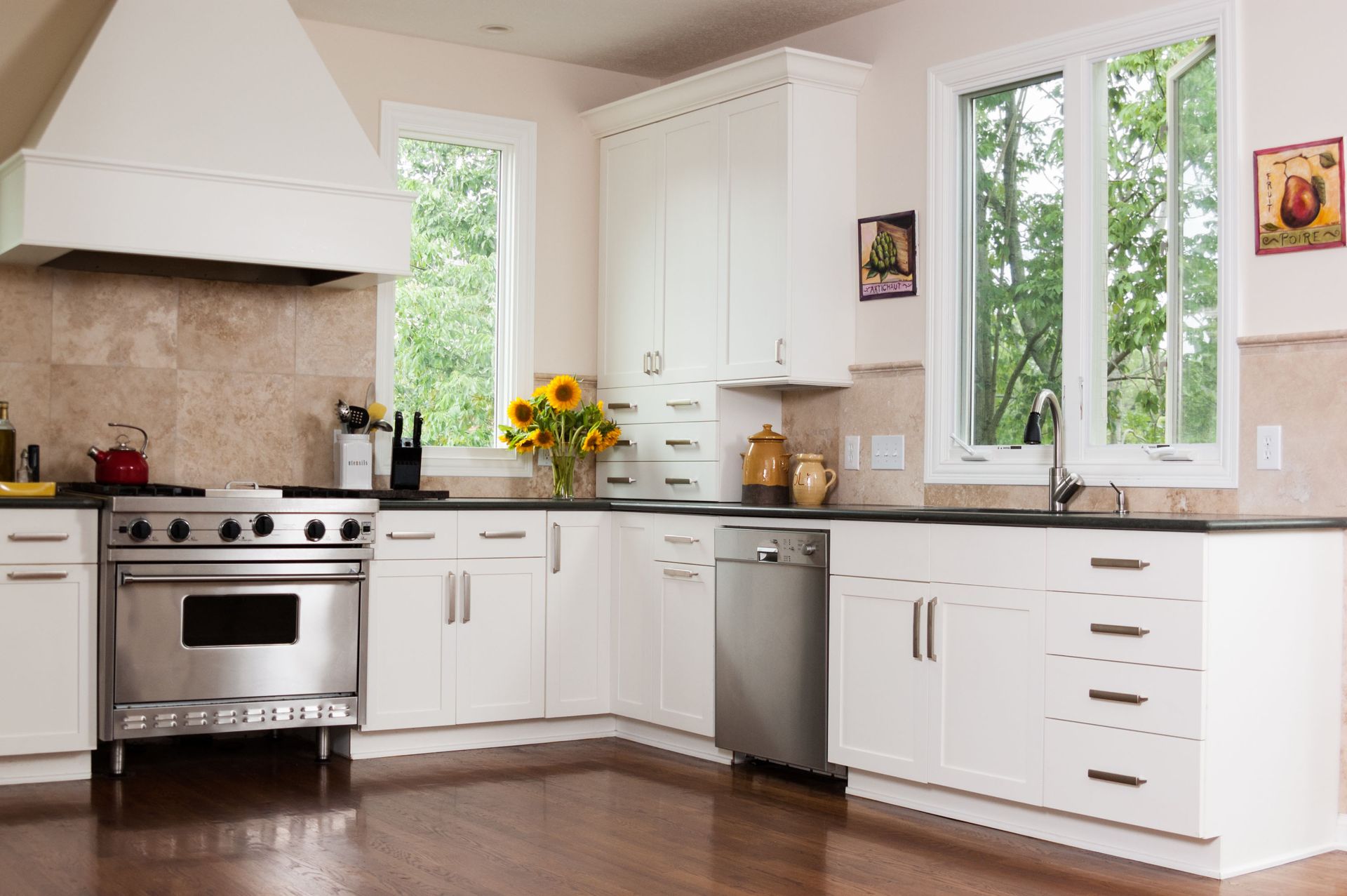
Embarking on a kitchen remodel is exciting but can be overwhelming. The kitchen is the heart of the home, and remodeling it can improve functionality, aesthetics, and property value. To ensure a successful renovation, consider key factors that will guide your decisions and help you achieve your ideal kitchen. A well-planned remodel can transform daily routines, making cooking and entertaining more enjoyable while reflecting your personal style.
1. Determine Your Budget
A. Assessing Financial Resources
Evaluate your savings and any funds set aside for the remodel. Consider existing financial obligations to ensure the project is feasible. Research typical costs for kitchen remodels in your area to establish a realistic baseline. Understanding your financial capacity at the outset prevents overspending and keeps your project on track.
B. Setting Realistic Expectations
Understand what your budget can accomplish. High-end materials and appliances are appealing but costly. Identify priorities and allocate funds accordingly to avoid disappointment and keep your remodel on track. Remember, prioritizing functional upgrades over purely aesthetic ones often delivers more value and satisfaction.
C. Planning for Contingencies
Unexpected costs can arise. Set aside a contingency fund, typically 10-20% of your total budget, to handle surprises without compromising your renovation. This ensures smoother execution of kitchen remodels and allows you to deal with unforeseen challenges without stress.
D. Exploring Financing Options
If savings aren’t enough, consider personal loans, home equity loans, or lines of credit for remodeling. Evaluate interest rates, repayment terms, and flexibility to find the best financing option. Carefully reviewing these options can help you make your kitchen remodel more attainable.
2. Define Your Kitchen Needs
A. Understanding Your Cooking Habits
Consider how often and what types of meals you prepare. Your cooking style influences appliance selection, countertops, and layout. For home chefs, investing in durable surfaces and professional-grade appliances enhances functionality. Even for casual cooks, prioritizing efficient workflow and accessible storage improves your daily kitchen experience.
B. Evaluating Storage Requirements
Storage is essential for organization and efficiency. Assess current cabinetry and consider pull-out drawers, pantry upgrades, or innovative shelving solutions to make your kitchen remodel both functional and streamlined. Maximizing vertical space and incorporating hidden storage helps maintain a clean, uncluttered environment.
C. Considering Family Lifestyle
The kitchen often serves as a family hub. Ensure the design accommodates daily routines, from quick breakfasts to homework or gatherings. Prioritize seating, workspaces, and durable materials to support family activities. Adding a breakfast nook or multi-functional island can enhance the room’s versatility and appeal.
D. Anticipating Future Needs
Plan for changes in family size, accessibility needs, or lifestyle shifts. Flexible design allows your kitchen to remain functional over time, reducing the need for costly renovations later. Incorporating adjustable shelving, modular islands, or space for additional appliances ensures your remodel adapts to changing needs.
E. Balancing Functionality and Aesthetics
Choose materials that combine beauty and durability. Quartz countertops are popular for their look and practicality. According to Real Simple, quartz countertops aren't made of 100% quartz - they are a composite stone engineered from natural quartz combined with a resin binder. Selecting versatile materials ensures your remodel is both stylish and lasting. Thoughtful color schemes, lighting, and textures further enhance the balance between function and design.
3. Choose the Right Layout
A. Exploring Popular Layouts
Layouts such as L-shaped, U-shaped, galley, or open-concept kitchens each serve different needs. Select a layout that optimizes space, supports workflow, and complements your kitchen remodel goals. Consider how your family uses the space daily and whether an open plan will integrate well with adjacent living areas.
B. Maximizing Space with Design
Use custom cabinetry, vertical shelving, and strategic lighting to make even small kitchens feel spacious. A thoughtful design minimizes clutter and enhances usability. Multi-functional islands or movable carts can provide extra prep space while maintaining flexibility.
C. Enhancing Workflow
Efficient traffic flow between cooking, prep, and storage zones is critical. Applying the kitchen work triangle principle helps create smooth movement and an organized workspace. Incorporating clear pathways and strategically placed appliances ensures a stress-free cooking experience.
D. Addressing Challenges
Anticipate issues such as poor lighting, limited counter space, or awkward angles. Solutions like integrated appliances or tailored cabinetry help maintain comfort and functionality in your remodel. Proper planning prevents costly changes during construction.
E. Incorporating Trends
Modern trends like smart kitchens, natural materials, or biophilic design can add value and style. Integrate elements that match your taste while keeping your remodel current and timeless. Consider energy-efficient lighting, touchless faucets, or smart storage solutions for a blend of innovation and convenience.
4. Select High-Quality Materials
A. Durability and Maintenance
Choose materials that withstand high use and require minimal upkeep. Durable surfaces like quartz provide a balance of practicality and elegance, ensuring your kitchen remodel stands the test of time. High-quality flooring and cabinet finishes also contribute to long-term satisfaction.
B. Considering Eco-Friendly Options
Sustainable materials such as reclaimed wood, bamboo, or recycled glass reduce environmental impact. Energy-efficient appliances and low-waste installations also contribute to a responsible remodel. Small changes, like LED lighting and water-saving faucets, make a noticeable difference in sustainability.
C. Balancing Cost and Quality
Evaluate premium vs. budget materials to maximize value. Consider installation, maintenance, and longevity to make informed choices that align with your financial plan. Smart material selection ensures your kitchen remodel looks high-end without overspending.
D. Coordinating with Home Style
Ensure the kitchen design complements your home's architecture. Cohesive materials and finishes integrate seamlessly with the rest of your living spaces, enhancing overall aesthetic appeal. This creates a unified look and avoids visual dissonance between rooms.
E. Staying Updated on Innovations
Modern materials and technology provide new opportunities for both function and style. From engineered countertops to smart appliances, embracing innovations keeps your remodel relevant and practical. Incorporating flexible and modular solutions prepares your kitchen for future trends.
5. Hire the Right Professionals
A. Researching Contractors
Start with recommendations and online reviews to identify experienced contractors. Focus on those with expertise in kitchen remodels to ensure quality workmanship. Reliable contractors provide not only skill but guidance for informed decision-making.
B. Evaluating Portfolios and Reviews
Review past projects for style, quality, and attention to detail. Client feedback provides insight into professionalism, reliability, and alignment with your vision. Prior experience in similar remodels can prevent common pitfalls.
C. Conducting Consultations
Interview potential contractors to assess problem-solving skills, communication, and fit for your project. Initial consultations reveal how effectively they can execute your remodel plans. A clear agreement on expectations reduces miscommunication and delays.
D. Comparing Quotes and Timelines
Request detailed estimates with cost breakdowns and timelines. Comparing multiple quotes ensures you select the best value without sacrificing quality or project efficiency. Clear communication regarding schedules and milestones avoids unnecessary stress.
E. Checking References and Certifications
Verify certifications and contact references to confirm contractor credibility and workmanship. This reduces risks and increases confidence in a successful kitchen remodel.
Kitchen remodels require careful planning, from budgeting and defining needs to layout, materials, professionals, and minimizing disruptions. Focusing on these factors ensures a functional, beautiful, and lasting kitchen that enhances your home’s value. Thoughtful decisions and preparation make your dream kitchen achievable, turning a complex project into a rewarding transformation. With attention to detail, quality materials, and the right team, your remodel can improve both daily life and long-term property appeal. For more information, contact Superior Kitchen & Bath, Inc today.